Apparitional Whiteness: Black Horror in Uncanny London
Walking around the National Gallery the other week, the energies of the rooms smelled like racism and death. Only among others, I saw not everyone's nose is so attuned to ghosts or malevolent spirits.

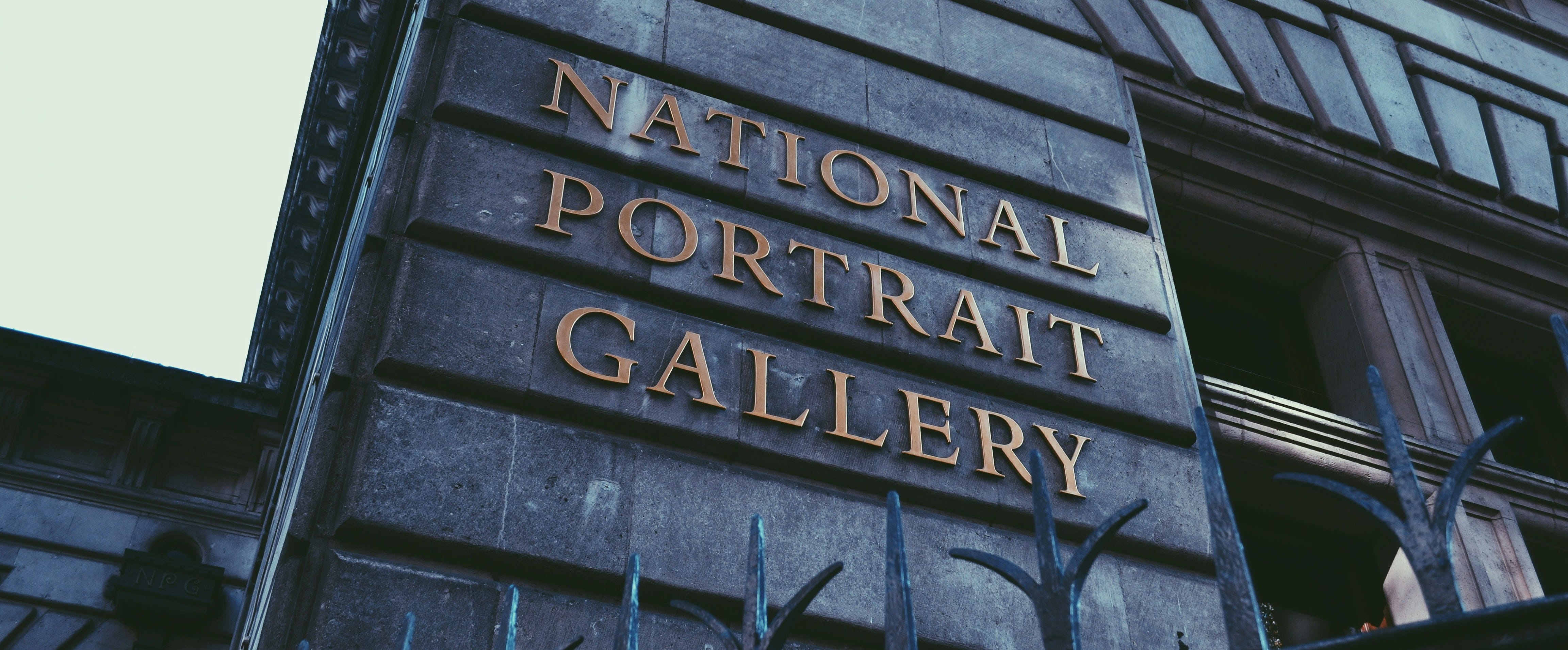
Last November, I went to support a poetry workshop at London’s National Gallery led by poets Nick Makoha and my uncle, dub-poet Roger Robinson. The workshop focused on using a literary device called ekphrasis — an ekphrastic poem is when poets use visual art (often paintings) in their work but specifically using text to speak out what’s said through images — some examples. I tend not to write in the company of other people so I found the workshop difficult due to that but there was a double-threat: the moment we entered the gallery during the ‘lates’ session, the life drained from my body like a vacuum. The wide rooms and tall celings were overwhelming and these paintings of ‘important’ white people… they moved. On entering the gallery, there was the smell of racism, hostility, and death — this was not a reflection on the session but what spaces like cultural arts institutions do to folks with my spatial sensibilities.
This is something I began to consider more last year when literary scholar Ally Louks (dubbed on social media as ‘The Smell Doctor’) went viral after tweeting about her PhD on the politics of smell in contemporary literature. Uncle Roger was kind, asking if I was alright and he did everything he could to make me feel included — so was the white woman gallery employee. But these kinds of life experiences in these kinds of buildings are normal for me. There was a presence in those rooms that could not be explained through logic alone. Psychogeography, as the ways in which geography (including buildings) influences emotions and behaviour, enables me to think about such encounters. It offers a bridge to think about how spiritual terrors live in these spaces that may otherwise be considered as detached from nature. By percieving the UK’s built environments through this lens, it enables me to think about the extra dimensions of history that lurk in the present like being in a close-up of a haunting.
Going back to that evening in London, it was like I had been hit by racism’s potent magic. Here, I draw on University College London’s Legacies of British Slavery database when I say there are numbers of entries of former-enslavers who gained money from the 1834 payout or were in close association with that militarised system of genocide, whose investments and ways of life are etched into the very building — from economics to politics and cultural legacies. One of those characters was John Julius Angerstein who was a key figure in the development of the insurance industry in the late 1700s and an “art connoisseur whose collection formed the basis of the National Gallery in London.” Historian Rachel Lang also further informs us that at the time of his death in 1784, Angerstein owned a sugar plantation on Saint Kitts more than likely called “Lucas’” in Basseterre, St George parish. Politician-financier Alexander Baring, on the other hand, was a trustee at London’s National Gallery while having recieved money for the loss of plantations and his enslaved human property also on Saint Kitts.
Haunted while Black, UCL’s database is a way for me to join my personal experiences of violent ‘energy’ with the histories and stories that meander through spaces and places we take for granted. Many of us in spaces have experiences we don’t know how to name as the eyes of white portraits follow Black and Brown folks around museums; the cold air in historic houses; street names; colonial statues; the whiteness that is less brazen than violent policing and what have you that lives in plain sight and is both there and not there… the off-key energy in middle-class spaces and the dis/appearing of weird practices are all part of something I came to think about through ‘apparitional whiteness.’ This hauntology of racism has been explored in the US but less so in the UK; even while empire knocks at the door of Black and Asian Britain, violence still hides behind table manners and double-entry book-keeping. Now, even as someone who writes about country houses and literature, I struggle to see these as places of tourism and entertainment with the ghosts of enslavers and their measuring tapes.


Erin O’Brien’s PhD research explores the whiteness of UK museum spaces. She looks at how artistic and museum curating practices should not re-objectify the people who have long-time been othered by the heritage and museum sector gazing upon Black and Brown faces. The need for her work, I saw evidence of actually at Newcastle’s own Great North Museum where their displays of Black people, Brown people, and others not racialised as white are exactly what is meant by the white gaze — Newcastle’s Great North Museum never left the 1970s, while the building itself had the same metallic air as London’s National Gallery. It’s very Victorian and that feeling lives within the walls, including ‘other’ cultures as curiosities to be prodded and examined.
Due to the fact places like the British Museum are home to artefacts from places Britain once colonised and oppressed, we whose origins lie in Africa, Asia, and the Caribbean, are often gaslit into believing museums are simply collectors of dropped loot. They say it’s fairtrade, we say it’s stolen. And so, we are staring white supremacy in the face — that everyday performance of whiteness as cultural theft is apparitional whiteness… dis/appearing and re/appearing depending on who is speaking. Today, the buildings that house museums, galleries and what have you are alive. Many were originally upheld by people who owned other humans. What happens when the paintings and statues move? Might the ladies of the lake offer tea? Nearly 45% enslaved others. The lights flicker, the plumbing rattles, and time collapses. Ghosts. Real. Detached souls. Especially in old buildings. Whoever heard of a ghost that died?